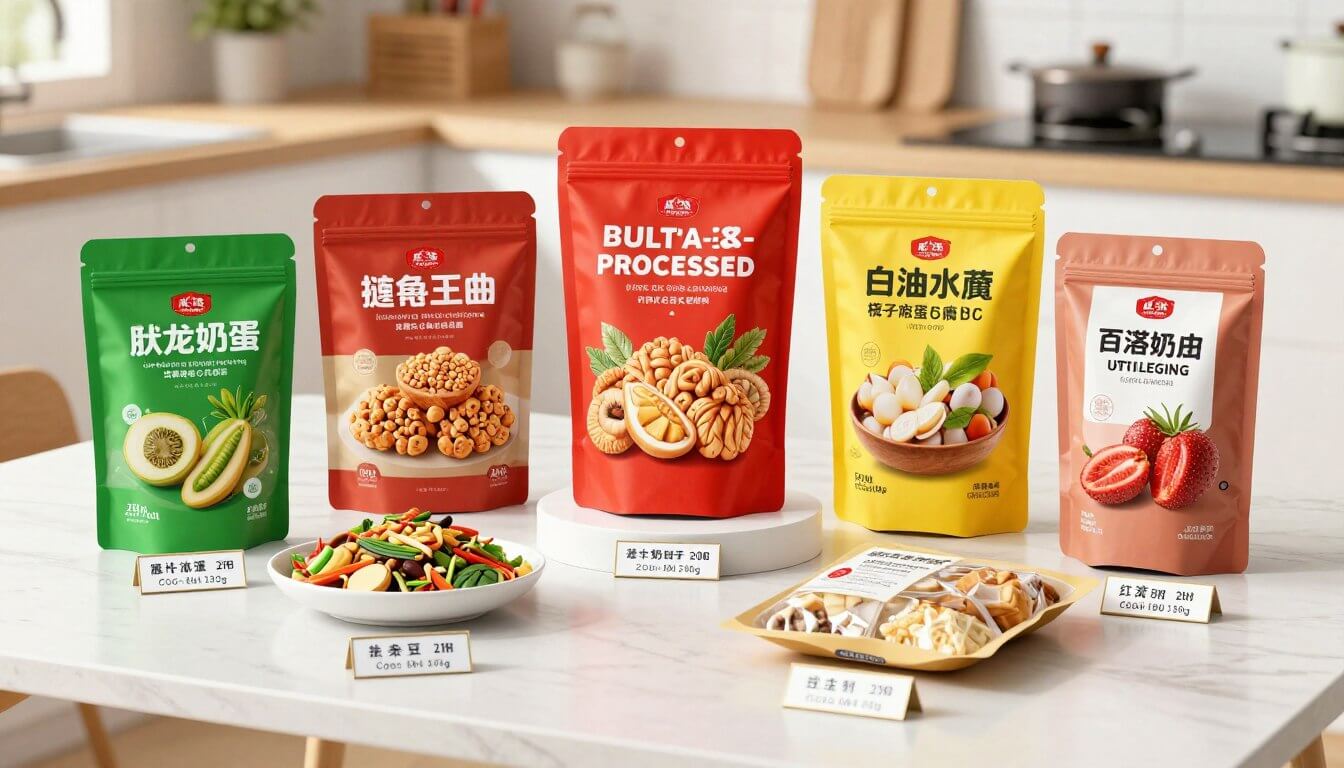

Have you noticed how often pre-packaged items end up on your dinner table? For many Americans, ultra-processed foods have quietly shifted from occasional treats to the main source of daily calories. This change in our dietary habits is a growing concern for experts across the country.

Ultra-Processed Foods ,Modern life often prioritizes convenience, but this speed comes at a hidden cost to our long-term wellness. Relying on these items makes healthy eating feel like a difficult chore rather than a natural part of your day. Understanding how these products impact your body is the first step toward reclaiming your vitality.
By taking a closer look at what we consume, we can make better choices for our future. It is time to explore why shifting away from these highly engineered options is essential for your health.
Key Takeaways
- Convenience items now make up the bulk of the average American diet.
- Frequent consumption of these products is linked to long-term health risks.
- Small changes in your daily routine can lead to significant wellness improvements.
- Prioritizing whole ingredients helps simplify the path to better nutrition.
- Awareness is the most powerful tool for changing your eating patterns.
Defining Ultra-Processed Foods and Their Prevalence in the American Diet
If you look closely at your pantry, you might be surprised by how many items fall into the category of ultra-processed foods. These products are not merely cooked or preserved; they are chemically engineered in factories to be hyper-palatable and shelf-stable. Unlike traditional cooking, which uses heat to prepare raw ingredients, industrial processing breaks down food into its basic components.
The modern processed diet has become the standard for many households across the United States. These items often contain substances that you would never find in a home kitchen, such as high-fructose corn syrup, hydrogenated oils, and artificial coloring. By relying on these products, many people unknowingly consume a high volume of additives that offer little nutritional value.
The NOVA Classification System Explained
To better understand what we eat, researchers developed the NOVA classification system. This framework categorizes food based on the extent and purpose of the industrial processing it undergoes. It helps distinguish between minimally processed items, like frozen vegetables, and those that are ultra-processed.
“Ultra-processed foods are industrial formulations typically made from five or more ingredients. They often include substances not used in culinary preparations, such as flavors, colors, sweeteners, and emulsifiers.”
— Carlos Monteiro, Professor of Nutrition and Public Health
The system highlights that these items are designed to be cheap, convenient, and highly addictive. By checking nutrition labels, you can often spot the difference. If a product contains a long list of unrecognizable chemical names, it likely falls into the highest level of the NOVA scale.
Common Examples Found in Your Local Grocery Store
It is helpful to compare common items to see how they differ in their level of processing. Many staples that seem healthy are actually highly refined products that have been stripped of their natural fiber and nutrients.
| Food Category | Whole Food Option | Ultra-Processed Version |
|---|---|---|
| Grains | Steel-cut oats | Sweetened instant cereal |
| Dairy | Plain Greek yogurt | Fruit-flavored yogurt tubes |
| Snacks | Fresh apple slices | Fruit-flavored gummy snacks |
| Beverages | Water with lemon | Energy drinks |
Recognizing these patterns is the first step toward reclaiming your health. When you choose whole foods over ultra-processed foods, you provide your body with the fuel it truly needs. Start by reading nutrition labels carefully to identify hidden sugars and additives in your daily meals.
The Science Behind Food Processing
Have you ever wondered how raw ingredients transform into the long-lasting snacks lining grocery store shelves? The journey from a farm to a box of cereal involves significant scientific intervention. This process often strips away the natural goodness of whole foods to create ultra-processed foods that are designed for convenience.
How Industrial Processing Alters Nutritional Value
Industrial methods frequently prioritize shelf stability and texture over nutritional density. During these processes, manufacturers often remove fiber, vitamins, and minerals to ensure a consistent product. This reduction in quality is a primary reason why high sugar intake is so common in modern diets.
When fiber is removed, the body digests the food much faster. This leads to rapid spikes in blood glucose levels. The following table highlights how common processing techniques impact the final nutritional profile of your food:
| Processing Method | Nutritional Impact | Resulting Change |
|---|---|---|
| Refining Grains | Fiber Removal | Lower Satiety |
| High-Heat Extrusion | Vitamin Loss | Reduced Micronutrients |
| Dehydration | Enzyme Destruction | Altered Bioavailability |
The Role of Additives, Preservatives, and Emulsifiers
To make these products taste better and last longer, companies rely on a variety of food additives. These substances are essential for maintaining the desired texture and flavor profile. Without them, many items would spoil quickly or lose their appealing mouthfeel.
Common artificial ingredients include:
- Preservatives: These prevent mold and bacterial growth to extend shelf life.
- Emulsifiers: These help mix oil and water to create a smooth, creamy texture.
- Flavor Enhancers: These chemicals trick your brain into craving more, often leading to increased sugar intake.
While these components serve a functional purpose for the industry, they often mask the lack of real nutrition. Being aware of these food additives allows you to make more informed decisions at the store. Choosing whole, unprocessed options remains the best way to avoid the hidden costs of industrial manufacturing.
Understanding the Link Between Ultra-Processed Foods and Chronic Disease
The modern American diet is increasingly dominated by items that may be silently damaging your long-term health. While these products are convenient, they often lack the essential nutrients your body needs to function at its best. Frequent consumption of ultra-processed foods is now widely recognized as a primary driver of the current epidemic of chronic disease.
Impact on Cardiovascular Health and Blood Pressure
Your heart works tirelessly to keep your body moving, but it faces significant strain when you consume highly refined ingredients. Diets heavy in processed snacks and pre-packaged meals are often loaded with excessive sodium and unhealthy fats. These components can lead to elevated blood pressure, which is a major risk factor for poor cardiovascular health.
Over time, this constant pressure damages the delicate lining of your arteries. When your blood vessels become stiff or inflamed, your heart must work much harder to pump blood throughout your system. Protecting your heart starts with choosing whole, nutrient-dense foods over those that have been stripped of their natural benefits.
The Connection to Type 2 Diabetes and Insulin Resistance
Maintaining stable blood sugar levels is essential for your overall metabolic health. Unfortunately, ultra-processed items are typically designed to be rapidly absorbed, causing sharp spikes in glucose. This frequent fluctuation forces your pancreas to work overtime, eventually leading to insulin resistance.
When your cells stop responding properly to insulin, your body struggles to manage energy effectively. This state is a direct precursor to type 2 diabetes and other metabolic disorders. By reducing your intake of refined sugars and starches, you can help your body regain its natural balance.
Inflammation and Its Role in Long-Term Illness
Systemic inflammation is the body’s way of responding to stress, but it becomes dangerous when it remains active for too long. Many additives found in modern food products can trigger this immune response, keeping your body in a state of constant irritation. This low-grade, persistent inflammation is a known contributor to many long-term health issues.
It is important to realize that your diet plays a massive role in how your immune system behaves. Choosing fresh, whole ingredients helps calm the body and supports long-term wellness. Prioritizing real food is one of the most effective ways to lower your risk of developing serious, life-altering conditions.
How Ultra-Processed Foods Affect Your Brain and Cravings
Have you ever wondered why you can finish an entire bag of chips without even realizing it? The way your brain reacts to modern snacks is far more complex than simple hunger. It involves a sophisticated interplay between your biology and the specific design of the items you consume.
The Science of Hyper-Palatability
Food scientists often engineer hyper-palatable foods to hit a “bliss point.” This is the precise ratio of salt, sugar, and fat that makes a product taste irresistible. By manipulating these textures and flavors, manufacturers create items that override your body’s natural ability to say no.
These carefully crafted profiles are designed to stimulate your taste buds in ways that whole foods simply cannot. When you eat these products, your brain receives an intense sensory signal that is difficult to ignore.
Dopamine and the Reward System in the Brain
When you consume ultra-processed foods, your brain releases a surge of dopamine. This neurotransmitter is responsible for the feeling of pleasure and reward. Because these snacks provide such a concentrated hit of satisfaction, your brain begins to associate them with high-value rewards.
Over time, this cycle can actually “hijack” your natural reward pathways. You may find yourself seeking out these specific flavors even when you are not physically hungry. It is a powerful biological response that reinforces the habit of reaching for processed snacks.
Why It Is Difficult to Stop at Just One Serving
The primary reason it is so hard to stop at just one serving is that these products lack the fiber and protein needed to signal fullness. Your stomach may be full, but your brain is still waiting for the next hit of dopamine. This disconnect creates a persistent cycle of craving that is hard to break.
Understanding this process is the first step toward regaining control over your diet. By recognizing that your cravings are often a result of engineering rather than a lack of willpower, you can make more informed choices. You are not failing; you are simply responding to a system designed to keep you coming back for more.
The Impact on Gut Microbiome and Digestive Health
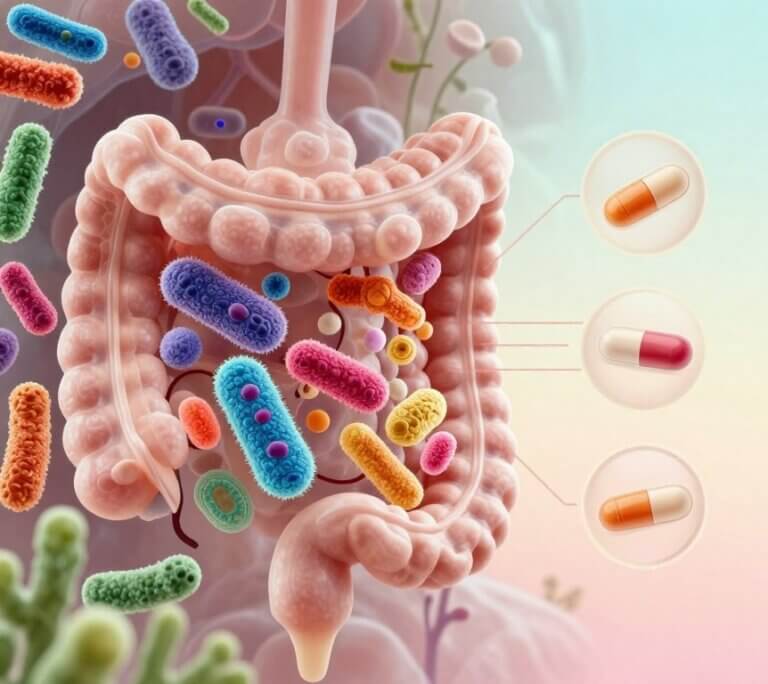
Did you know that the trillions of microbes living in your gut are highly sensitive to the food you consume? Your gut microbiome acts like a complex internal ecosystem that influences everything from your mood to your immune system. When you consistently choose a processed diet, you may be inadvertently harming the very bacteria that keep you healthy.
How Artificial Ingredients Disrupt Beneficial Bacteria
Modern food manufacturing relies heavily on various food additives to improve texture, shelf life, and flavor. Unfortunately, many of these artificial ingredients can act as irritants to your digestive tract. Research suggests that certain emulsifiers and sweeteners may alter the composition of your gut flora, potentially leading to inflammation.
When these beneficial bacteria are suppressed, your body struggles to maintain its natural defenses. This shift can create an environment where harmful microbes thrive, which often leads to digestive discomfort. Choosing whole, natural foods is a simple way to protect your internal balance from these chemical disruptions.
The Relationship Between Fiber Deficiency and Processed Diets
Fiber is the primary fuel source for the good bacteria in your colon, yet it is frequently stripped away during industrial production. Most ultra-processed foods are refined to the point where they contain almost no natural fiber. Without this essential nutrient, your microbiome cannot flourish, which often results in sluggish digestion and poor metabolic health.
A diet lacking in fiber can lead to long-term consequences, including irregular bowel movements and increased systemic inflammation. By prioritizing whole grains, fruits, and vegetables, you provide the necessary nourishment for your digestive system to function at its best. Small changes in your daily intake can make a significant difference in how your body processes nutrients and maintains energy levels.
Weight Management and the Caloric Density Problem
Modern food choices often trick our bodies into consuming far more energy than we actually need. When we rely on ultra-processed foods, we are frequently choosing items that pack a massive amount of energy into a very small package. This high caloric density makes it incredibly easy to overconsume without even realizing it.
Empty Calories and the Lack of Satiety
Many refined snacks are defined by what they lack rather than what they contain. These products are often stripped of fiber, water, and essential micronutrients, leaving behind what experts call “empty calories.” Because these foods are designed to be hyper-palatable, they often fail to trigger the natural satiety signals in your brain.
Without the physical bulk of fiber or the presence of complex nutrients, your stomach empties quickly. This leads to a cycle of constant hunger, even if you have consumed a high number of calories. Consider these common characteristics of low-satiety foods:
- Rapid absorption into the bloodstream.
- Lack of protein or fiber to slow digestion.
- High levels of added sugars that trigger quick insulin spikes.
“The body is not designed to process the sheer volume of refined energy found in modern convenience foods, which disrupts our natural ability to regulate appetite.”
The Metabolic Cost of Digesting Highly Refined Foods
Your metabolic health is deeply influenced by the quality of the fuel you provide. Whole, natural foods require significant energy for your body to break down, digest, and absorb. This process, known as the thermic effect of food, is much lower when you consume highly refined ingredients.
Essentially, your body works less to digest processed items. This efficiency might sound like a benefit, but it actually means you store more of those calories as fat rather than burning them during digestion. By choosing whole foods, you support a more active metabolism and better long-term weight management.
Hidden Dangers in Modern Food Marketing
Navigating the grocery store aisles can feel like a minefield when every package claims to be a health food. Many shoppers rely on front-of-package labels to make quick decisions, but these claims are often part of a sophisticated food marketing strategy. By highlighting specific nutrients while ignoring the overall quality of the product, manufacturers successfully steer your attention away from the reality of ultra-processed foods.
Decoding Health Halos on Food Packaging
A “health halo” occurs when a single positive attribute, such as “low fat” or “made with real fruit,” creates the false impression that an entire item is healthy. In reality, these products are often packed with added sugars, sodium, and artificial stabilizers to compensate for the loss of flavor or texture. Always flip the package over to read the actual ingredient list rather than trusting the bold claims on the front.
Marketing teams use specific buzzwords to trigger a sense of trust in the consumer. Terms like “natural,” “wholesome,” or “superfood” are rarely regulated with the same strictness as nutritional data. Understanding these tactics is essential for anyone trying to avoid the hidden pitfalls of ultra-processed foods.
The Influence of Aggressive Advertising on Children
The impact of food marketing extends far beyond the adult shopper, as children are frequently targeted by colorful characters and interactive digital campaigns. These advertisements often associate sugary snacks with fun, adventure, or social status. This early exposure can shape long-term eating habits and create a lifelong preference for highly refined products.
Parents often face an uphill battle when trying to encourage healthy eating in a landscape dominated by aggressive corporate messaging. By recognizing these patterns, families can better protect their dietary choices from external influence. The following table highlights how common marketing claims often mask the true nature of the product.
| Marketing Claim | Common Reality | Hidden Ingredient |
|---|---|---|
| Low Fat | High Sugar Content | Corn Syrup |
| Natural Flavors | Chemical Additives | Artificial Esters |
| Kid-Friendly | High Caloric Density | Refined Flour |
| Gluten-Free | Highly Processed | Modified Starches |
Practical Strategies for Reducing Your Intake
You can take control of your health by making small, intentional changes to your daily diet. Transitioning away from ultra-processed foods does not require an overnight overhaul of your kitchen. Instead, focus on building sustainable habits that support long-term wellness.
Reading Nutrition Labels Like a Pro
The most effective tool for healthy eating is the information found on the back of your food packaging. Many shoppers glance at the calorie count, but the ingredient list often tells a more important story. If you see a long list of unpronounceable chemicals, it is likely a highly processed item.
Pay close attention to the order of ingredients, as they are listed by weight. If sugar or high-fructose corn syrup appears in the first three items, you should consider putting that product back on the shelf. Managing your sugar intake becomes much easier when you know exactly what is hiding in your pantry staples.
Simple Swaps for Common Processed Staples
Small adjustments to your shopping list can lead to significant improvements in your overall nutrition. You do not have to sacrifice flavor to enjoy whole foods. By choosing minimally processed alternatives, you provide your body with better fuel for the day ahead.
Replacing Sugary Cereals with Whole Grains
Many breakfast cereals are packed with added sugars that cause energy crashes by mid-morning. Try swapping these for steel-cut oats or plain shredded wheat topped with fresh berries. These whole grain options provide sustained energy and keep you feeling full for much longer.
Choosing Whole Fruits Over Fruit-Flavored Snacks
Fruit-flavored snacks often contain artificial dyes and syrups rather than actual fruit. Opting for a piece of fresh fruit, such as an apple or a banana, offers natural fiber and essential vitamins. This simple switch is a powerful way to reduce your sugar intake while satisfying your sweet tooth naturally.
Embracing these changes will help you move toward a lifestyle centered on whole foods. Remember that consistency is more important than perfection when it comes to your health journey.
The Economic and Social Barriers to Healthy Eating
Economic and social factors play a massive role in the dietary choices available to the average American. While many people want to improve their nutrition, systemic obstacles often make healthy eating feel like an impossible goal. It is important to recognize that these challenges are not just about personal choices, but about the environment in which we live.

Food Deserts and Accessibility Issues
Millions of Americans live in what are known as food deserts. These are geographic areas where residents have little to no access to affordable, nutritious food options. In these neighborhoods, convenience stores often replace grocery stores, leaving residents with few choices beyond ultra-processed foods.
When fresh produce is unavailable or prohibitively expensive, families are forced to rely on shelf-stable items. This lack of access creates a cycle where whole foods become a luxury rather than a staple. Addressing these food deserts requires community-level changes and better infrastructure to ensure everyone has a fair chance at good health.
Budget-Friendly Ways to Prioritize Whole Foods
Prioritizing nutrition on a tight budget is a challenge, but it is possible with a few strategic shifts. You do not need to overhaul your entire pantry overnight to see the benefits of healthy eating. Small, consistent changes can lead to significant improvements in your overall well-being.
Consider these practical tips to keep your grocery bill low while focusing on whole foods:
- Buy in bulk: Purchase staples like dried beans, lentils, and brown rice in large quantities to save money over time.
- Choose frozen produce: Frozen fruits and vegetables are often just as nutritious as fresh ones and have a much longer shelf life.
- Plan your meals: Creating a weekly menu helps you avoid impulse buys and reduces the temptation to grab ultra-processed foods when you are hungry.
- Shop seasonally: Buying fruits and vegetables that are in season is usually cheaper and provides better flavor.
By focusing on these simple habits, you can make better choices even when your budget is limited. Remember that every small step toward a more natural diet is a victory for your long-term health.
Conclusion
Your journey toward better health starts with the choices you make in the grocery aisle. Shifting your dietary habits away from ultra-processed items empowers your body to function at its peak. Small, consistent adjustments create a foundation for lasting vitality.
Focus on whole, nutrient-dense foods to fuel your daily activities. Brands like Nature’s Path or Bob’s Red Mill offer simple ingredients that support your wellness goals. Staying informed about what you consume allows you to navigate the modern food landscape with ease.
You hold the power to transform your long-term well-being through mindful eating. Prioritize fresh produce and lean proteins to build a sustainable lifestyle. Every positive change to your dietary habits brings you closer to a healthier version of yourself.
Share your progress with friends or family to build a supportive community. Your commitment to quality nutrition inspires others to rethink their own routines. Start today and enjoy the benefits of a cleaner, more natural way of living.
FAQ
What exactly defines a food as “ultra-processed” according to experts?
Most nutritionists and researchers use the NOVA classification system, a framework developed by Carlos Monteiro at the University of São Paulo. This system categorizes food by the extent of industrial processing. Ultra-processed foods (UPFs) are formulations made mostly or entirely from substances derived from foods and additives, with little to no whole food present. Think of items like Hostess Twinkies or frozen TV dinners—products engineered in a factory rather than prepared in a kitchen.
Why are ultra-processed snacks like Doritos or Oreos so hard to stop eating?
These products are scientifically engineered to be hyper-palatable. By using a specific “bliss point” of salt, sugar, and unhealthy fats, they hijack the dopamine reward system in your brain. This chemical surge makes you feel a temporary “high,” which is why you might find yourself reaching for another serving even when you aren’t physically hungry. It is a biological response to industrial food design, not a lack of willpower.
How do industrial additives like emulsifiers impact my digestive health?
Common additives such as carboxymethylcellulose and polysorbate 80—often found in commercial ice creams and non-dairy creamers—can disrupt the delicate balance of your gut microbiome. These emulsifiers can thin the protective mucus lining of the gut, potentially leading to “leaky gut” and triggering systemic inflammation, which is a primary driver of many chronic illnesses.
Can eating these foods really lead to Type 2 diabetes?
Yes, there is a strong correlation. Ultra-processed foods are typically high on the glycemic index and lack the dietary fiber found in whole foods like beans or oats. This causes rapid spikes in blood glucose, which, over time, can lead to insulin resistance. When your body can no longer manage blood sugar effectively, the risk for Type 2 diabetes and metabolic syndrome increases significantly.
What is a “health halo” and how can I spot one at the grocery store?
A health halo is a marketing tactic used by brands like General Mills or Welch’s to make a product seem healthier than it is. You might see labels like “made with real fruit,” “gluten-free,” or “natural flavors” on the front of the box. However, when you look at the nutrition facts panel on the back, you may find high amounts of added sugars and synthetic preservatives. Always trust the ingredient list over the colorful marketing on the front.
Is it possible to eat a whole-food diet if I live in a “food desert”?
Navigating food deserts—areas with limited access to affordable, fresh food—is a major challenge. However, you can still prioritize nutrition by looking for frozen vegetables, dried beans, and lentils, which are often available at stores like Dollar General or local corner markets. These options are budget-friendly, shelf-stable, and offer much higher nutrient density than pre-packaged ramen or boxed mac and cheese.
What are some simple swaps I can make to reduce my intake of refined ingredients?
You don’t have to overhaul your entire pantry overnight! Start with simple replacements: swap sugary cereals like Froot Loops for steel-cut oats topped with fresh berries. Instead of grabbing a fruit-flavored yogurt filled with high-fructose corn syrup, try plain Greek yogurt with a drizzle of honey. These small changes significantly increase your fiber intake and reduce the “empty calories” in your daily routine.
Do ultra-processed foods affect children differently than adults?
Children are particularly vulnerable because their eating habits are still forming, and they are the primary targets of aggressive advertising by companies like Kellogg’s and McDonald’s. Consuming a diet high in processed items early in life can alter a child’s palate preferences, making naturally sweet foods like apples taste less appealing and contributing to early-onset childhood obesity and long-term metabolic issues.