
Gut-skin axis probiotics, Have you ever noticed that your complexion seems to reflect exactly how you feel on the inside? When your digestion is off, your face often shows the signs through breakouts or dullness. This connection is known as the gut-skin axis, a fascinating biological link that suggests our internal health is the true foundation of a radiant appearance.
Many people spend a fortune on topical creams, yet they ignore the root cause of their skin concerns. Science is now proving that a balanced internal ecosystem is essential for achieving that healthy, natural glow we all crave. By focusing on your digestive wellness, you can actually transform your skin from the inside out.

Integrating targeted interventions like high-quality probiotics into your daily routine may be the missing piece of your beauty puzzle. As researchers continue to validate this relationship, it becomes clear that caring for your microbiome is just as important as your morning skincare ritual. Let’s explore how you can harness this science to revitalize your complexion.
Key Takeaways
- The state of your digestive system directly influences the clarity and health of your skin.
- Modern research confirms a strong link between internal wellness and dermatological vitality.
- Addressing skin issues from the inside out often yields more sustainable results than topical treatments alone.
- A balanced microbiome is a foundational requirement for maintaining a radiant, youthful complexion.
- Simple dietary adjustments and supplements can help restore harmony to your body’s internal ecosystem.
Understanding the Biological Connection Between Your Gut and Skin
Your skin often acts as a window into the complex world of your digestive system. When your internal environment is balanced, it reflects on your face through a clear and radiant complexion. Maintaining a healthy skin microbiome is not just about topical creams; it is about nurturing the internal ecosystem that supports your body from the inside out.
The Microbiome Explained
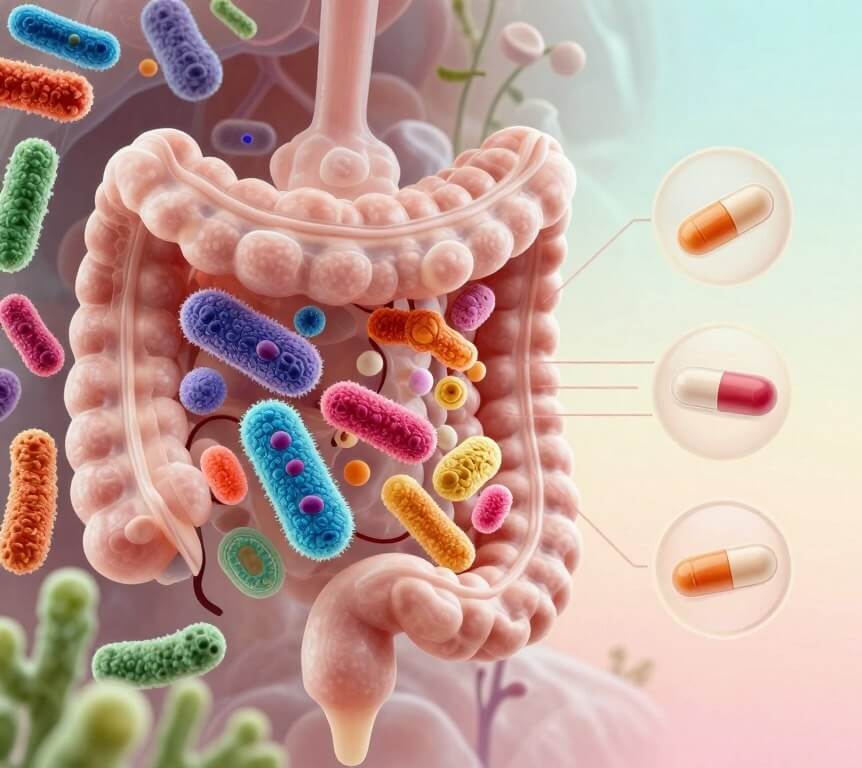
The human microbiome is a vast, diverse community of trillions of microorganisms living within your gastrointestinal tract. These tiny residents, including bacteria, fungi, and viruses, perform essential tasks that keep your body functioning smoothly. They play a critical role in regulating your immune system and protecting you against harmful pathogens.
When this community thrives, it produces beneficial compounds that support your overall health. A healthy skin microbiome relies on these internal signals to maintain its own protective barrier. If the balance of these microorganisms shifts, the ripple effect can quickly become visible on your skin.
How Systemic Inflammation Affects Dermal Health
Systemic inflammation is often the bridge between digestive distress and skin conditions. When the gut lining becomes permeable, often called “leaky gut,” toxins and bacteria can enter the bloodstream. This triggers an immune response that travels throughout the body, frequently manifesting as redness, irritation, or breakouts on the skin.
By addressing the root cause of this inflammation, you can help your skin recover its natural glow. Understanding this connection is the first step toward achieving long-term dermatological wellness. The following table highlights the differences between a balanced system and one experiencing distress.
| System State | Microbiome Status | Skin Appearance |
|---|---|---|
| Balanced | High Diversity | Clear and Hydrated |
| Inflamed | Low Diversity | Redness and Acne |
| Dysbiotic | Pathogen Overgrowth | Chronic Sensitivity |
The Science Behind the Gut-Skin Axis Probiotics
Science now confirms that your gut and skin are in constant, silent conversation. This intricate relationship relies on a sophisticated network of biochemical signals that travel throughout the body. By utilizing gut-skin axis probiotics, you can effectively influence these internal messages to promote a clearer, more vibrant complexion.
Communication Pathways Between Organs
The body maintains harmony through several distinct pathways, most notably the gut-brain-skin axis. When the digestive system experiences stress or imbalance, it sends distress signals that often manifest as visible irritation on the surface of the skin. Effective communication between these organs is essential for maintaining a healthy immune response.
Probiotics play a vital role in calming these pathways. By modulating the systemic immune system, they contribute significantly to skin inflammation reduction. This process helps prevent the overreaction of immune cells that typically leads to redness and sensitivity.
The Role of Metabolites in Skin Homeostasis
Beneficial bacteria in your gut produce various metabolites, such as short-chain fatty acids, which act as chemical messengers. These compounds travel through the bloodstream to reach the skin, where they support the natural barrier function. This internal support system is crucial for maintaining proper hydration and overall skin homeostasis.
When your microbiome is diverse and thriving, it produces the necessary building blocks for healthy skin cells. Incorporating high-quality gut-skin axis probiotics ensures that your body has the resources to repair itself from the inside out. The following table highlights how these internal processes directly influence your dermatological health.
| Pathway Type | Primary Function | Impact on Skin |
|---|---|---|
| Neuroendocrine | Stress hormone regulation | Prevents stress-induced breakouts |
| Immunological | Skin inflammation reduction | Calms chronic redness |
| Metabolic | Nutrient absorption | Enhances skin barrier integrity |
Common Skin Conditions Linked to Gut Dysbiosis
Your skin often acts as a mirror, reflecting the internal state of your gut microbiome. When the delicate balance of bacteria in your digestive tract is disrupted, known as dysbiosis, the consequences frequently manifest as visible skin issues. Prioritizing digestive health and skin harmony is essential for those looking to address the root causes of their dermatological concerns.
Acne Vulgaris and Digestive Health
Acne is often viewed as a hormonal or hygiene issue, but emerging research suggests a strong link to gut health. An imbalance in gut flora can trigger systemic inflammation, which exacerbates breakouts. Many individuals find that incorporating probiotics for acne helps calm the skin by reducing the inflammatory response originating in the gut.
“The gut is the largest immune organ in the body, and its health is inextricably linked to the clarity and resilience of our skin.”
Rosacea and Small Intestinal Bacterial Overgrowth
The rosacea gut connection is a fascinating area of study for dermatologists. Clinical evidence indicates that many patients with chronic skin redness also suffer from Small Intestinal Bacterial Overgrowth (SIBO). When bacteria overpopulate the small intestine, they can release toxins that enter the bloodstream and promote facial inflammation.
| Condition | Primary Gut Factor | Skin Impact |
|---|---|---|
| Acne | Microbiome Imbalance | Inflammatory Lesions |
| Rosacea | SIBO | Persistent Redness |
| Eczema | Immune Dysregulation | Itchy, Dry Patches |
Eczema and the Immune Response
Finally, the relationship between eczema and gut health highlights how our immune system reacts to internal triggers. A compromised gut barrier can allow undigested food particles or toxins to leak into the system, causing the immune system to overreact. This internal stress often results in the itchy, inflamed patches characteristic of eczema.
Restoring balance to your microbiome is a powerful strategy for managing these conditions. By nurturing your gut, you provide your skin with the internal support it needs to heal from within. Consistency in your approach is the key to achieving long-term skin health.
How Probiotics Influence Skin Barrier Function
Probiotics offer a unique way to fortify your skin from the inside out by supporting its natural protective functions. By balancing the internal environment, these beneficial bacteria contribute significantly to skin barrier repair. This process ensures that your skin remains resilient against the harsh elements of the modern world.
Strengthening the Acid Mantle
The acid mantle is a thin, slightly acidic film on the surface of your skin that acts as a primary defense. When this layer is compromised, your skin becomes vulnerable to harmful bacteria and environmental irritants. Probiotics help maintain the ideal pH balance, which is essential for a healthy acid mantle.
By fostering a diverse internal microbiome, you provide the necessary support for your skin to produce natural antimicrobial peptides. These compounds act as a natural shield, preventing pathogens from colonizing the surface. Consistent probiotic intake supports long-term skin barrier repair by keeping this protective film intact and functional.
Reducing Transepidermal Water Loss
One of the most common signs of a damaged barrier is dehydration, often caused by excessive moisture evaporation. Transepidermal water loss reduction is a critical benefit of a well-supported gut microbiome. When your gut health is optimized, your skin becomes much better at locking in essential moisture.
Gut-skin axis probiotics, Probiotics influence the production of ceramides and other lipids that form the “mortar” between your skin cells. This structural improvement creates a tighter seal, which is the key to effective transepidermal water loss reduction. As a result, your skin stays hydrated, supple, and far less prone to the irritation caused by dryness.
Key Probiotic Strains for Dermatological Benefits
Gut-skin axis probiotics,Science shows that certain friendly bacteria can transform your skin from the inside out. While many supplements exist, focusing on specific strains is essential for cultivating a healthy skin microbiome. By targeting the right internal pathways, you can address common concerns like redness and dryness effectively.
Lactobacillus Strains and Their Impact
Lactobacillus species are perhaps the most well-studied group for dermatological health. These bacteria are known for their ability to modulate the immune system and lower systemic inflammation. When inflammation decreases, your skin often appears calmer and less prone to breakouts.
Specific strains like Lactobacillus rhamnosus and Lactobacillus plantarum have shown great promise in clinical trials. They work by strengthening the gut lining, which prevents toxins from entering the bloodstream and triggering skin flare-ups. Incorporating these into your routine is a smart move for long-term clarity.
Bifidobacterium and Skin Hydration
If you struggle with tight or flaky skin, Bifidobacterium strains might be your best allies. These bacteria play a crucial role in transepidermal water loss reduction by improving the integrity of the skin barrier. When your barrier is intact, it holds onto moisture much more efficiently.
Research suggests that Bifidobacterium breve can significantly improve skin elasticity and hydration levels. By supporting the natural lipid production in your skin, these probiotics help you achieve a dewy, radiant glow. They essentially act as an internal moisturizer that works around the clock.
The Importance of Strain Diversity
A thriving internal ecosystem relies heavily on microbiome diversity. Relying on just one type of bacteria is rarely enough to maintain a balanced system. A wide variety of beneficial microbes ensures that your body can handle environmental stressors and maintain optimal skin function.
When selecting a high-quality probiotic supplement, keep these tips in mind to ensure you are getting the best support:
- Look for products that contain a multi-strain formula rather than a single-strain option.
- Check the label for clinically studied strains like Lactobacillus and Bifidobacterium.
- Ensure the supplement is stored properly to maintain the viability of the live cultures.
- Prioritize brands that provide transparency regarding their colony-forming units (CFUs).
Dietary Sources of Probiotics for Radiant Skin
If you want to unlock your skin’s natural glow, look no further than your local grocery store’s refrigerated aisle. Nourishing your body with the right nutrients creates a foundation for a clear and vibrant complexion. By making small, consistent adjustments to your meals, you can actively support the delicate balance of your internal ecosystem.
Fermented Foods to Incorporate Daily
Adding fermented foods for skin health is a delicious way to introduce beneficial bacteria into your system. These foods undergo a natural process where microorganisms break down sugars, resulting in a rich source of probiotics. You might start your morning with a glass of kefir or add a side of tangy sauerkraut to your lunch.
Kimchi, a traditional Korean staple, offers a spicy and crunchy boost to any dinner plate. These options are not just trendy; they are time-tested methods for maintaining a diverse microbiome. Consuming these items regularly helps strengthen your gut barrier, which often reflects positively on your skin’s appearance.
| Food Item | Primary Benefit | Serving Suggestion |
|---|---|---|
| Kefir | High probiotic count | Smoothies or bowls |
| Sauerkraut | Digestive enzymes | Salad topping |
| Kimchi | Vitamin C and fiber | Side dish |
| Miso | Mineral absorption | Warm soup base |
The Synergy of Prebiotics and Probiotics
While probiotics provide the beneficial bacteria, they need the right environment to thrive. This is where prebiotics for skin health become essential. Prebiotics act as the fuel that allows your good bacteria to flourish and multiply effectively.
“A healthy gut is the silent partner to a radiant complexion, and feeding your microbiome with fiber-rich prebiotics is the most sustainable way to ensure long-term skin vitality.”
— Holistic Nutritionist
You can find these vital fibers in everyday foods like garlic, onions, bananas, and oats. By pairing your probiotic-rich meals with these fiber sources, you create a powerful synergy that supports both digestion and dermal health. Focusing on this balance ensures that your body has everything it needs to maintain a clear, glowing look from the inside out.
Lifestyle Factors That Disrupt Your Microbiome
Modern life is full of hidden stressors that can wreak havoc on your internal balance. While we often focus on external skincare routines, the true foundation of a radiant complexion lies in the health of your digestive tract. When your internal environment is compromised, your skin is often the first place to show the signs.
The Impact of Stress on Gut Permeability
Chronic stress triggers a physiological response that can significantly alter your gut lining. When you are constantly under pressure, your body releases hormones like cortisol, which can increase intestinal permeability, often referred to as leaky gut.
This condition allows toxins and undigested food particles to enter the bloodstream, triggering systemic inflammation. This inflammation frequently manifests as skin flare-ups, including the well-documented Rosacea gut connection. By managing your stress levels, you help maintain the integrity of your gut barrier and protect your skin from unnecessary irritation.
Antibiotics and Their Long-Term Effects on Skin
While antibiotics are essential for treating infections, their frequent or unnecessary use can have lasting consequences. These medications do not distinguish between harmful bacteria and the beneficial microbes that support your health.
A significant reduction in microbiome diversity can leave your system vulnerable to imbalances that affect your skin’s natural glow. Consider these common factors that influence your microbial health:
- Overuse of broad-spectrum antibiotics which deplete beneficial flora.
- High-stress environments that shift the balance of gut bacteria.
- Lack of dietary fiber, which starves the good bacteria needed for skin resilience.
Prioritizing microbiome diversity is a proactive step toward long-term dermatological health. By being mindful of how lifestyle choices impact your internal ecosystem, you can better support your skin from the inside out.
Identifying Signs That Your Gut Needs Support
Your skin often acts as a mirror for what is happening deep within your digestive system. When your internal environment is out of balance, the body frequently communicates this through visible changes on your face. Understanding the link between digestive health and skin allows you to address the root cause rather than just treating the surface symptoms.

Digestive Symptoms That Manifest on the Face
Many people overlook the subtle cues their body provides after a meal. If you notice persistent breakouts, unexplained dullness, or sudden redness, your gut might be struggling to process nutrients or manage inflammation. These issues are often the body’s way of signaling that your microbiome needs extra support.
When digestion is sluggish, toxins may not be eliminated efficiently. This can lead to a buildup that eventually impacts your complexion. Listening to your body is essential for maintaining a healthy, glowing appearance.
Chronic Skin Sensitivity as a Red Flag
Chronic skin sensitivity is another major indicator that your internal health requires attention. If your skin feels constantly irritated or reactive, it may be a sign that your skin barrier repair processes are compromised. This is particularly common in cases involving eczema and gut health, where the immune system is hyper-responsive to internal triggers.
When the gut lining becomes permeable, it can trigger systemic inflammation that weakens the skin’s natural defenses. Strengthening your gut health is a vital step in restoring your skin’s resilience. The following table outlines common signs that your body is asking for a digestive reset.
| Symptom | Potential Gut Indicator | Recommended Focus |
|---|---|---|
| Persistent Acne | Inflammation/Dysbiosis | Probiotic Diversity |
| Dull Complexion | Poor Nutrient Absorption | Enzyme Support |
| Chronic Redness | Leaky Gut/Sensitivity | Barrier Repair |
| Dry, Flaky Patches | Hydration Imbalance | Omega-3 Intake |
Navigating Probiotic Supplements for Skin Health
Selecting high-quality probiotics for acne requires more than just picking the first bottle you see on the shelf. The supplement industry is vast, and finding a product that actually delivers benefits to your complexion can feel overwhelming. By learning how to decode labels, you can make choices that truly support your wellness journey.
Understanding Colony Forming Units
When you browse probiotic supplements for skin, you will often see a number listed as Colony Forming Units, or CFUs. This number represents the amount of live bacteria present in each dose. Many consumers assume that a higher number is always better, but this is a common misconception.
Quality and diversity of strains are often more important than sheer quantity. A supplement with ten billion CFUs of a clinically studied strain is frequently more effective than one with fifty billion CFUs of unverified bacteria. Look for products that list specific strains, such as Lactobacillus acidophilus or Bifidobacterium bifidum, rather than just a generic blend.
Storage and Quality Considerations
Even the best probiotics for acne can lose their potency if they are not handled correctly. Bacteria are living organisms that are sensitive to heat, light, and moisture. Always check the packaging to see if the manufacturer recommends refrigeration to maintain the viability of the cultures.
To ensure you are getting a high-quality product, look for third-party testing certifications on the label. These seals indicate that an independent lab has verified the contents of the bottle. Proper storage in a cool, dry place away from direct sunlight will help keep your supplement effective until the expiration date.
Finally, pay attention to the expiration date before you make a purchase. Since the number of live bacteria naturally declines over time, buying a product that is close to its expiration date may mean you are getting fewer active benefits. Choosing a reputable brand that guarantees potency through the end of the shelf life is a smart way to invest in your skin health.
The Role of Nutrition Beyond Probiotics
Achieving a radiant complexion requires a holistic approach that goes far beyond just taking supplements. While beneficial bacteria play a vital role, the food you consume acts as the primary fuel for both your gut and your skin. By focusing on a comprehensive nutritional strategy, you can create an internal environment that naturally supports a clear and healthy glow.
Anti-Inflammatory Foods for Skin Clarity
Adopting an anti-inflammatory diet for skin health is one of the most effective ways to manage breakouts and redness. By prioritizing whole, unprocessed foods, you provide your body with the essential antioxidants needed to combat oxidative stress. This process is crucial for skin inflammation reduction, as it calms the immune system and prevents systemic flare-ups.
Focus on incorporating colorful vegetables, berries, and fatty fish rich in omega-3s into your daily meals. These nutrients work in tandem with prebiotics for skin health, which feed your existing microbiome and keep it thriving. When you nourish your body with these high-quality ingredients, you are essentially building a protective barrier from the inside out.
It is also helpful to include fermented foods for skin support, such as kimchi, sauerkraut, and kefir. These items provide natural enzymes that assist in digestion and nutrient absorption. When your gut is well-nourished, your skin often reflects that balance through improved texture and tone.
Hydration and Its Effect on Gut Motility
Proper hydration is often overlooked, yet it remains a fundamental pillar of digestive efficiency. Water is essential for maintaining regular gut motility, which ensures that your body can effectively eliminate toxins. When waste moves through your system smoothly, your skin is less likely to suffer from the congestion often associated with sluggish digestion.
Think of water as the transport system for all the nutrients you consume. Without adequate fluid intake, even the best diet may fail to deliver the necessary vitamins to your dermal layers. Staying hydrated helps maintain the mucosal lining of the gut, which is a critical component of your overall immune defense.
To optimize your results, aim for consistent water intake throughout the day rather than consuming large amounts at once. This steady approach keeps your digestive tract moving and supports the natural detoxification pathways of your body. By combining these nutritional habits with your probiotic routine, you create a powerful synergy that promotes long-term skin health.
Debunking Myths About Gut Health and Beauty
It is time to peel back the layers of hype surrounding the connection between your digestive system and your complexion. The wellness industry often simplifies complex biological processes into catchy slogans that promise overnight results. Understanding the truth about gut health and beauty is essential for making informed purchasing decisions in a crowded marketplace.
Separating Marketing Hype from Clinical Evidence
Many brands capitalize on the popularity of the microbiome by labeling every product as “probiotic-friendly.” However, there is a significant gap between anecdotal trends and rigorous clinical research. While some studies show promise, many marketing claims lack the peer-reviewed data required to prove that a specific product will transform your skin.
Consumers should look for transparency regarding the specific strains used in their products. If a company cannot provide evidence for their claims, it is often safer to remain skeptical. Relying on probiotic supplements for skin requires a focus on high-quality, research-backed formulations rather than flashy packaging.
Why Topical Probiotics Differ from Oral Supplements
A common misconception is that applying a probiotic cream is the same as taking a supplement. In reality, these two methods interact with your body in fundamentally different ways. Oral supplements work from the inside out by influencing the systemic environment of your digestive tract.
Topical probiotics, on the other hand, are designed to interact directly with the skin’s surface microbiome. They may help balance the pH of the acid mantle or provide a protective barrier against environmental stressors. Probiotic supplements for skin cannot replace the targeted, localized benefits of a well-formulated topical treatment.
Ultimately, achieving optimal gut health and beauty involves a balanced approach. You must understand that internal health provides the foundation, while topical care offers the finishing touch. By distinguishing between these two approaches, you can build a routine that truly supports your skin’s unique needs.
Conclusion
Your skin serves as a direct reflection of your internal environment. True beauty starts deep within the digestive system, where a balanced microbiome dictates the health of your complexion.
Prioritizing gut health and beauty requires a shift in perspective. It is about viewing your daily habits as building blocks for long-term dermatological resilience. Probiotics act as powerful allies in this process, yet they function best when supported by a nutrient-dense lifestyle.
Adopting an anti-inflammatory diet for skin clarity provides the foundation your body needs to thrive. Focus on whole foods that nourish your gut lining and reduce systemic stress. Brands like Seed or Garden of Life offer quality supplements, but your plate remains your most effective tool for lasting change.
Consistency remains the secret to success. Small, mindful choices regarding your nutrition and stress management create a ripple effect that shows on your face. Embrace this journey of internal care to unlock a vibrant, clear glow that lasts for years to come.
FAQ
What exactly is the gut-skin axis, and why does it matter for my complexion?
The gut-skin axis refers to the complex, bidirectional communication network between your gastrointestinal system and your skin. When your microbiome is in a state of balance, it helps regulate systemic inflammation and immune responses. If your gut is healthy, it often reflects externally as a radiant, glowing complexion, whereas an imbalanced gut can lead to various dermatological issues.
How can Small Intestinal Bacterial Overgrowth (SIBO) trigger skin issues like Rosacea?
SIBO occurs when there is an abnormal increase in the overall bacterial population in the small intestine. This imbalance can lead to increased intestinal permeability, often called “leaky gut,” which triggers inflammatory pathways. Clinical studies have shown a high prevalence of SIBO in patients with Rosacea, suggesting that clearing the bacterial overgrowth can significantly reduce facial redness and bumps.
Which specific probiotic strains are best for improving skin hydration?
When looking at supplements like those from Garden of Life or Culturelle, keep an eye out for Lactobacillus plantarum and Bifidobacterium breve. These specific strains have been scientifically linked to a reduction in Transepidermal Water Loss (TEWL) and an increase in skin elasticity, helping your skin retain moisture more effectively.
What is the role of metabolites like Short-Chain Fatty Acids (SCFAs) in skin health?
SCFAs, such as butyrate, are metabolites produced by beneficial bacteria when they ferment prebiotic fiber. These compounds travel through the bloodstream and help maintain skin homeostasis. They play a crucial role in signaling the immune system to stay calm, which prevents the overreaction that leads to inflammatory conditions like Eczema and Acne Vulgaris.
Can fermented foods like Kimchi or GT’s Living Foods Kombucha replace probiotic supplements?
Fermented foods are a fantastic way to introduce a variety of live cultures into your diet naturally. Foods like sauerkraut, kefir, and miso provide a broad spectrum of bacteria that support the acid mantle. While they are excellent for daily maintenance, targeted probiotic supplements are often better for therapeutic doses of specific strains needed to treat chronic skin conditions.
What are Colony Forming Units (CFUs), and is a higher number always better?
CFUs indicate the number of viable bacteria in a sample. While it’s tempting to reach for the bottle with the highest number, strain diversity and stability are often more important. A high-quality supplement, such as Seed’s DS-01 Daily Synbiotic, focuses on ensuring the bacteria survive the journey through your stomach acid to actually reach the colon, regardless of the raw CFU count.
How does chronic stress affect the gut-skin connection?
Stress triggers the release of cortisol, which can increase gut permeability and alter the composition of your microbiota. This shift can lead to systemic inflammation, which often manifests on the face as “stress acne” or increased skin sensitivity. Managing your lifestyle is just as important as your skincare routine for maintaining a healthy gut-brain-skin axis.
What is the difference between topical probiotics and oral supplements?
Oral supplements work from the “inside out” by balancing the internal ecosystem and modulating the immune system. In contrast, topical probiotics, such as those found in La Roche-Posay or Tula Skincare products, work on the “outside in.” They help reinforce the skin’s physical barrier and protect against environmental pathogens directly on the surface.
Why are prebiotics just as important as probiotics for a clear face?
Think of prebiotics as the “food” for your “good” bacteria. Without adequate fiber from foods like garlic, onions, and bananas, your beneficial microbes cannot thrive or produce the metabolites necessary for skin repair. A synbiotic approach—combining both prebiotics and probiotics—ensures your internal garden has everything it needs to flourish.
Can antibiotics permanently damage my skin’s health?
While antibiotics are life-saving medications, they can be “carpet bombs” for the microbiome, wiping out both good and bad bacteria. Long-term or frequent use can lead to dysbiosis, which may cause persistent skin issues. To mitigate this, many dermatologists recommend a recovery protocol that includes probiotic-rich foods and supplements to restore microbial diversity.